

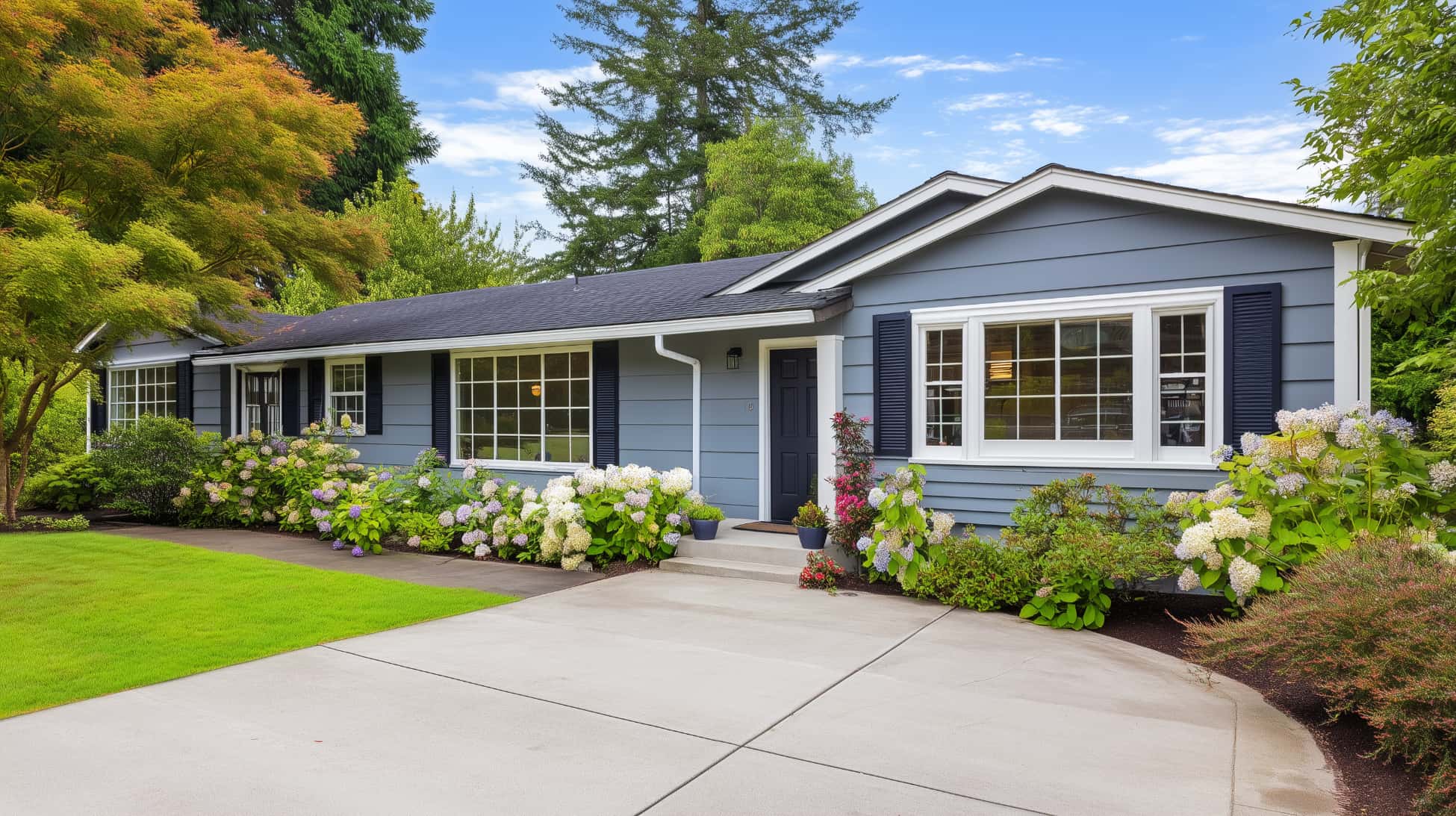
Is Your Property a Fit for an AFH Operator?
If you own a home with a good layout, decent parking, and a quiet residential setting, there is a good chance someone has already asked you:
“Have you ever thought about leasing this to an Adult Family Home (AFH) operator?”
Leasing to an AFH operator can be a powerful way to put an AFH-suitable property to work. You are not renting to a typical tenant — you are leasing to a licensed care business that needs the right home for residents, staff, and regulators.
That also means this is not a standard landlord situation:
- Your property may be used 24/7/365
- There may be staff, residents, visitors, and inspectors coming and going
- The lease must be drafted by an attorney who understands AFH use
- You will want careful tenant screening and clear property planning from the start
Done well, it can be a strategic, long-term play. Done casually, it can turn into headaches and expensive disputes.
My role as a REALTOR® with Windermere Real Estate/South Sound, Inc., AFH Real Estate Specialist, and Certified AFH Administrator is to help you understand the real-estate side of leasing to AFH operators — so you can decide whether to lease, sell, or take a different path entirely.
I do not provide legal, tax, financial, business, or DSHS licensing advice. Those decisions belong to your attorney, CPA, AFH consultant, and DSHS.
1. Why Some Landlords Consider Leasing to AFH Operators
From a property perspective, leasing to an AFH operator can be attractive because:
- You are leasing to a business, not just an individual or family
- Operators often want longer-term leases so they can build and stabilize their care business
- AFH-suitable homes are harder to find, so a good one can attract serious, motivated interest
- Operators are typically very invested in keeping the property functional and presentable for residents, families, and inspectors
At the same time, AFH use is very different from a standard rental:
- The home is used around the clock
- Multiple people may live and work there at all times
- There are regulatory inspections and life-safety standards that affect how the home is used
- You will need a specialized lease drafted by a Washington real-estate attorney
So the real question is not just “Can I lease to an AFH operator?”
It is: “Does AFH leasing make sense for me and for this property?”
That is where a real-estate–focused conversation is invaluable.
We will look at your property, your goals, and whether AFH leasing or selling makes more sense right now. Real-estate guidance only — you will still need your own attorney and CPA.
2. Property Features AFH Operators Often Value
AFH operators evaluate homes differently than typical tenants. They are thinking about resident safety, staff workflows, and licensing requirements — not just finishes and square footage.
From a real-estate standpoint, here are features that often make a home more attractive to AFH operators:
A. Layout & Bedrooms
Operators tend to look for:
- Sleeping space on the main level — not all bedrooms up flights of stairs
- Multiple bedrooms that can function well as resident rooms and possibly a staff room
- Floor plans that avoid long, narrow hallways and tight corners that are difficult to navigate
If your home offers comfortable main-floor bedrooms and a practical bedroom count, that is a meaningful advantage in this market.
B. Bathrooms & Accessibility
AFH-oriented tenants often look for:
- At least one full bathroom on the main floor
- Bathrooms with room to move around, add grab bars, or accommodate mobility aids
- The possibility of upgrading one bathroom to a more accessible walk-in configuration
You do not need everything perfect from the start — but the more accessible your bathrooms can reasonably become, the more operators are likely to take notice.
C. Access, Parking & Curb Experience
Because an AFH has residents, staff, and visitors, operators typically care about:
- Easy entry — minimal steps, solid handrails, well-lit pathways
- Off-street parking for staff and visitors
- A neighborhood where regular visitors and service vehicles do not feel out of place
If your driveway and street can comfortably handle extra vehicles, you are already ahead of many properties that simply cannot.
D. Common Areas & Overall Flow
AFH operators often need:
- A living or family room large enough for residents to gather comfortably
- A dining area that can seat residents together
- A kitchen that supports frequent meal preparation and adequate storage for food and supplies
The right question to ask is: “Would this layout work for a small care community?” — not “Does this feel trendy?”
E. Neighborhood & Location
From a property standpoint, operators often prefer:
- Quiet, residential streets
- Reasonable proximity to medical offices, pharmacies, and hospitals
- Established neighborhoods where residential care use is already familiar
On AFHMarketplace.com, I use “AFH-suitable” to describe homes that already show many of these traits, and “AFH-potential” when a more typical home might work with the tenant’s own upgrades. These are real-estate description terms only — not licensing guarantees. DSHS and local authorities decide whether a given property can be licensed for AFH use.
I will help you look at your home through an AFH-aware, real-estate lens and see how operators might view it as a potential rental.
3. How AFH Use Can Affect Your Property
Leasing to an AFH operator is not “good” or “bad” — it is different. You want a realistic picture of how that use can affect your home before you commit.
A. More Foot Traffic & Parking Use
AFHs typically have:
- Residents living full-time
- Staff arriving and departing for shifts
- Families, healthcare providers, and service providers visiting regularly
That means more:
- Wear on flooring and entry areas
- Use of driveways, walkways, and parking spots
- Visibility and activity in the neighborhood
Your lease should include clear expectations around parking, yard care, snow removal, and surface maintenance — drafted by your attorney.
B. Higher Interior Wear
Because the home is used around the clock:
- Flooring, paint, doors, and bathrooms are used far more than in most households
- There may be minor dings and scuffs from mobility devices and equipment over time
Many owners plan for more frequent touch-ups and replacements and set their rent and security deposit strategy accordingly — with attorney guidance and in full compliance with Washington landlord-tenant law.
C. Utility Usage
An AFH uses utilities differently than most households:
- Heating and cooling for residents who are home most of the day
- Frequent laundry, showers, and cleaning throughout the day
- Lights and common areas in use for extended stretches
Your lease should clearly spell out who pays utilities and how billing and documentation is handled. Your CPA and attorney can help with the financial and legal side — my focus is the property and market side.
D. Requests for Modifications
Operators may request permission to:
- Install grab bars or additional railings
- Add a ramp or adjust entry thresholds
- Make other accessibility-oriented improvements to support residents
Your lease should clearly state:
- Which modifications require prior written approval
- Who pays for them
- What must be restored at the end of the lease, if anything
Your attorney will draft these clauses. My role is to help you understand which kinds of changes are typical from AFH tenants and how they might affect your property’s future resale or rental value.
4. Why Attorney-Drafted Leases Are Essential
This is the non-negotiable part of leasing to an AFH operator:
A standard residential lease is not enough.
You are leasing to a business that operates in a regulated environment. That introduces issues that standard forms simply do not cover. A Washington real-estate attorney should craft or heavily customize your lease to address:
A. Permitted Use & Licensing Responsibility
- Clarifying that the tenant is responsible for obtaining and maintaining any AFH license needed for their business
- Making it clear that you as the landlord are not responsible for licensing or care operations
- Addressing what happens if the operator stops operating or loses their license mid-lease
B. Maintenance, Repairs & Wear
- Who handles routine maintenance versus major systems
- How wear and tear from heavier-than-average use will be defined and treated
- How quickly certain issues must be addressed to keep the home safe and usable for residents
C. Modifications & Improvements
- Which alterations require your written approval before work begins
- Who pays for them and who owns them at the end of the lease
- What condition the property must be in when the lease ends
D. Insurance & Risk Allocation
- Requiring the operator to carry appropriate liability insurance for their care business
- Naming you as additional insured where appropriate
- Clarifying responsibility if an incident or claim arises on the property
E. Termination, Renewal & Transitions
- How much notice is required to end the lease from either side
- What happens if the AFH business is sold or transferred to another operator
- That resident relocation responsibilities rest with the operator and their professional team — not with you
None of this should be drafted by a real-estate agent. It belongs entirely to your attorney.
My role is to:
- Flag that you need this level of lease protection
- Help you connect with AFH-experienced real-estate attorneys
- Coordinate the property and transaction details around what your attorney drafts
We will talk through your property, what should go to your attorney, and how to approach the AFH rental market from a real-estate standpoint.
5. Screening AFH Operator Tenants
Once you are open to leasing to an AFH operator, the next question is: “Which operator?”
Tenant screening is ultimately your decision, guided by your attorney, CPA, and property manager if you use one. From the real-estate side, here are factors many landlords consider in addition to standard screening:
A. Experience & Track Record
- Has the operator run an AFH or similar care business before?
- How long have they been active in the field?
- Do they demonstrate stability in staffing and operations?
B. Licensing Status & History
From a real-estate perspective, many landlords want to understand:
- Whether the operator holds or is actively pursuing a DSHS AFH license
- Whether there is a history of serious regulatory concerns
All licensing questions ultimately go through DSHS and the operator’s own professional team — not through you. You are simply trying to understand whether you are leasing to someone with a credible, serious professional background.
C. Business & Rental References
Well-qualified operators are often willing to provide:
- Previous landlord references, especially from other AFH properties they have leased
- Professional references — for example, from their CPA, attorney, or AFH consultant
You and your attorney can decide what level of documentation you need before you are comfortable signing a lease.
D. Insurance Readiness
A serious operator should be able to:
- Obtain the insurance coverage your attorney requires in the lease
- Provide proof of insurance before move-in and update it as required
Working with your own insurance professional is wise so you fully understand your coverage as a landlord.
6. Lease vs. Sell: Which Path Fits Your Situation?
Sometimes the right answer is not “How do I lease to an AFH operator?” but “Should I lease at all — or should I sell?”
Leasing might fit if you:
- Want to hold the property and build long-term rental income
- Are comfortable being a landlord or working with a property manager
- Have a home with strong AFH-suitable features and solid local demand
- Have or are willing to build a professional team — attorney, CPA, property manager, insurance
Selling might fit if you:
- Prefer a clean exit and do not want ongoing landlord responsibilities
- Need or want access to your equity now
- Are not comfortable with the complexity of AFH leases and ongoing oversight
- Would rather market to AFH buyers or traditional buyers and move on
Often, your best move becomes clear once we look at:
- Your property’s true AFH appeal from a real-estate standpoint
- Current local rental and sales conditions in your county
- Your timeline, risk tolerance, and long-term goals
We will walk through both paths from a real-estate perspective so you can then engage your attorney and CPA with a much clearer plan.
7. How I Help Landlords With AFH-Suitable Properties
As a REALTOR® with Windermere Real Estate/South Sound, Inc., AFH Real Estate Specialist, and Certified AFH Administrator, I sit at a useful intersection for landlords who are AFH-curious but want to proceed carefully and correctly.
Here is what I do:
- AFH-Aware Property Review
- Walk your property — in person or virtually — through an AFH-focused real-estate lens
- Help you understand whether it looks more AFH-suitable, AFH-potential, or best positioned for traditional tenants or buyers
- Lease vs. Sell Strategy Support
- Compare the pros and cons of each path from a market and property perspective
- Help you think through timing, current demand, and positioning before you commit to a direction
- Marketing & Positioning
- If you decide to lease or sell, position your property on both the MLS and, where appropriate, on AFHMarketplace.com so AFH-focused audiences can recognize its potential
- Always in alignment with NWMLS rules, brokerage policies, and Fair Housing laws
- Professional Network Referrals
- Introduce you to real-estate attorneys, CPAs, property managers, and insurance professionals who understand AFH-related issues
- When helpful, connect you with AFH operators who are actively looking for homes in your area
Here is what I do not do:
- Draft leases or provide legal advice
- Provide tax, financial planning, or accounting services
- Provide AFH business or operations consulting
- Make licensing decisions or speak for DSHS
- Guarantee rent amounts, returns, or tenant performance
All of those things belong to your own licensed professionals. My job is to anchor everything around the property and the transaction so you have a clear, organized path forward.
8. Ready to Explore Leasing Your AFH-Suitable Property?
Your property might be exactly what an AFH operator has been searching for — or it might be better suited to a traditional rental or a clean sale. The key is to make that decision intentionally and with clear eyes, not by guessing.
I can help you:
- Understand how AFH operators might evaluate your home from a real-estate perspective
- Decide whether leasing, selling, or holding is your best next step
- Connect with the right legal and financial professionals for the pieces outside real estate scope
- Build a plan that fits your goals, risk tolerance, and timeline
👉 Take the next step:
Prefer to reach out directly?
📞 (425) 505-0595 · ✉️ Petru@AFHMarketplace.com
Services available in English, Romanian, Russian, and Ukrainian.