

The Question Everyone Asks
“Is buying an Adult Family Home a good investment?” It is one of the most common questions that comes up in conversations with real estate investors, healthcare professionals exploring new opportunities, and families considering their first AFH-oriented purchase across King, Pierce, Kitsap, Thurston, and Snohomish Counties.
Here is my honest answer as a:
- REALTOR® with Windermere Real Estate/South Sound, Inc.
- AFH Real Estate Specialist
- Certified AFH Administrator
I cannot tell you whether an AFH is a good investment for you.
That is not evasion — that is me staying squarely in my legal and ethical lane. Whether something is a “good investment” depends on your total financial picture, your risk tolerance, your tax and debt situation, and your long-term goals. That evaluation belongs to your CPA, your financial advisor, and your attorney — not your real estate broker.
What I can do is help you answer a better, safer, and far more useful question:
“From a real-estate perspective, is this AFH property a good fit for what I am trying to do — and do I have the right team to evaluate the risks?”
That is what this article is about.
The Big Reframe: From “Good Investment?” to “Good Fit?”
Instead of starting with “Will I make good money with an AFH?” — shift to the three questions I can actually help you think through:
- Property Fit — Does this property have the layout, access, systems, and neighborhood that AFH buyers, operators, and residents typically look for?
- Process & Complexity — Do you understand how AFH purchases differ from standard rentals, especially around licensing timelines, Change of Ownership (CHOW), and contingencies?
- People & Team — Do you have the professional team (CPA, attorney, AFH consultant, lender, inspector) to evaluate everything that goes beyond real estate?
If you get those three wrong, it almost doesn’t matter what the spreadsheet says.
1. The Property — What Makes an AFH-Friendly House?
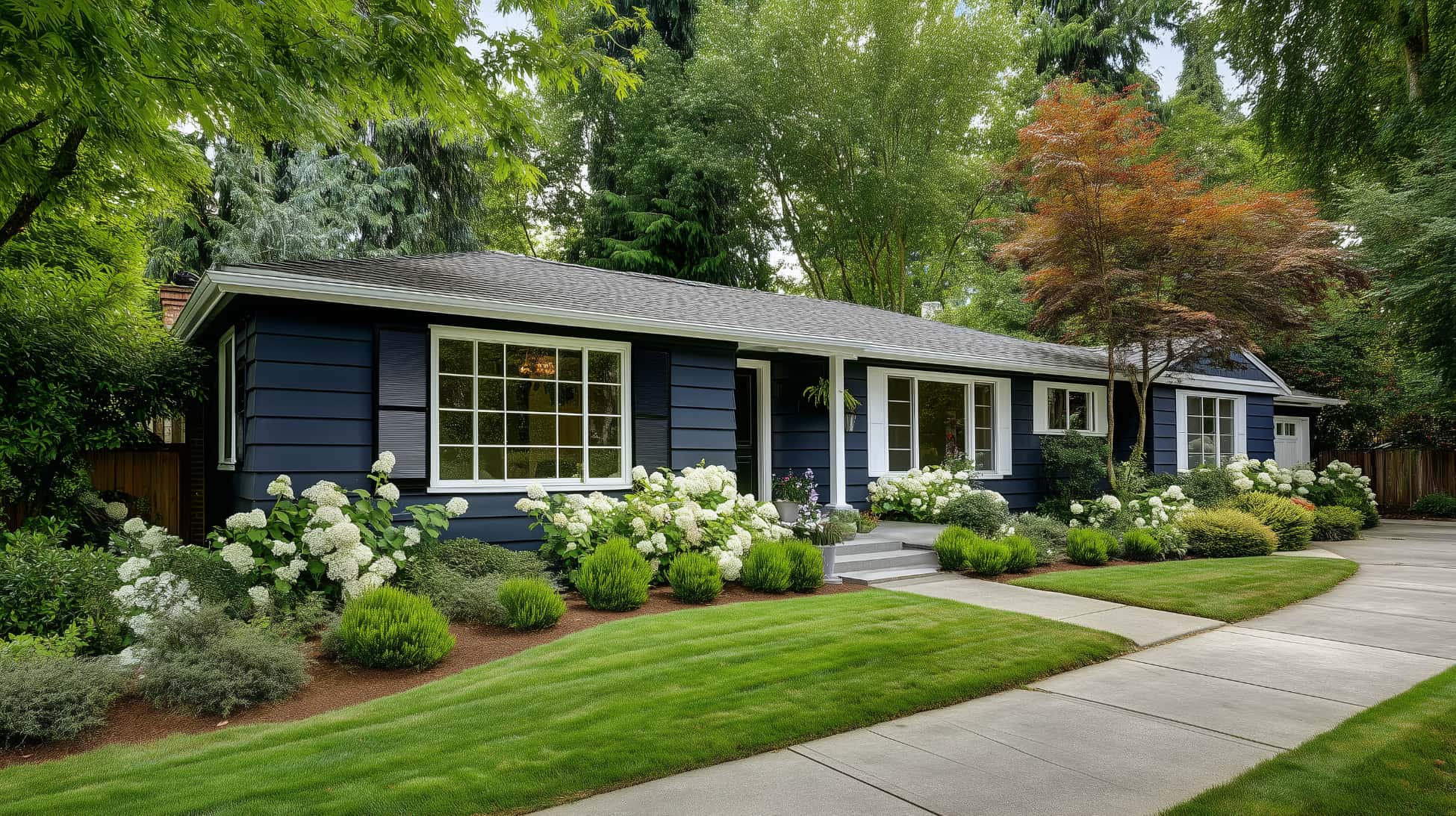
From a real-estate perspective, some properties are naturally more AFH-friendly than others. That does not mean DSHS will license them. It simply means they tend to line up better with the physical and functional needs of AFH use.
Here are the high-level property traits that AFH-oriented buyers and operators commonly look for:
- Layout & Bedrooms
- One or more bedrooms on the main floor, or with truly step-light access.
- Bedrooms sized and shaped so residents and caregivers can move comfortably.
- Reasonable privacy for residents and practical space for a live-in caregiver if needed.
- Bathrooms & Basic Accessibility
- A full bathroom on the main level that can serve residents.
- Space that already has or can reasonably accommodate grab bars, handheld showers, and basic safety features.
- Doorways and hallways that do not feel unusually tight for walkers or wheelchairs.
- Logical paths between sleeping areas, bathrooms, and common spaces without awkward steps or bottlenecks.
DSHS and your AFH consultant — not your REALTOR® — are responsible for verifying whether a specific property meets applicable regulatory standards.
- Common Areas & Flow
- A dining area that can realistically accommodate shared meals.
- A living area where residents can gather comfortably.
- A kitchen built for frequent use rather than light household cooking.
- Circulation throughout the home that feels practical and unhurried.
- Access, Parking & Neighborhood
- Off-street parking that can handle staff, visitors, and service providers.
- An entry that is already accessible or can be made so without significant structural challenge.
- A neighborhood that is comfortable with residential care use and does not create friction around typical coming-and-going patterns.
- Practical proximity to medical services, pharmacies, and community amenities.
- Systems & Condition
Because AFH-oriented properties are used around the clock, systems matter more than they do in a standard rental.
- Heating, cooling, plumbing, electrical, and hot water that can sustain continuous use.
- Roof, siding, and structure in solid condition — deferred maintenance gets amplified under higher-use patterns.
- If the property is on well or septic, those systems need to be confirmed as appropriate for the intended use by the right professionals.
Reality check:
A beautiful cosmetic remodel with poor access, limited parking, and an awkward layout is typically a difficult AFH fit. A plain-looking home with practical bones and good flow is often far more interesting to serious AFH buyers and operators.
My role is to help you evaluate these traits from a real-estate perspective and compare properties in your target areas. DSHS and your AFH consultant determine whether a specific property can actually be licensed.
2. The Process — Why AFH Deals Feel “Heavier” Than Standard Rentals
If you have purchased regular rentals before, AFH-related transactions will feel different — because they are. Even staying strictly in the real-estate lane, three big differences stand out consistently.
A. More Moving Parts in Due Diligence
In addition to a standard home inspection, AFH-oriented purchases often involve:
- Evaluating layout and access with a more specialized eye.
- Discussing potential modifications with your contractor
- Having your CPA review financials and occupancy history for operating AFHs.
- Having your attorney review purchase agreements that include AFH-specific contingencies.
On the real estate side, I help structure your offer and timelines so you have the space to complete this work before you are committed.
B. Licensing & CHOW Timelines
- For operating AFHs or Change of Ownership scenarios, there is a second track running alongside the real estate transaction — a DSHS process that has its own application, review, and inspection sequence that does not always move at the same speed as a real estate closing.
I do not handle your licensing or CHOW process. That belongs to you, your AFH consultant, your attorney, and DSHS. What I do is help you:
- Build real-estate contingencies that account for those timelines.
- Avoid closing before the right pieces are in place.
- Coordinate with your team so everyone is working from the same transaction calendar.
C. Financing & Documents
Many AFH buyers use specialized, commercial, or SBA-type financing rather than standard residential loans. That is lender and financial advisor territory — not mine — but it affects:
- How your offer is structured.
- Which timelines we build in.
- What documentation you will need to provide.
I can connect you with lenders who understand AFH-oriented transactions from a property and collateral perspective.
Key takeaway:
AFH deals are rarely quick, straightforward closings. That does not make them bad — it means you need realistic expectations and the right professionals at the table from the beginning.
3. The People — Your Professional Team Beyond Your REALTOR®
Successful AFH buyers almost always build a focused, committed team. Here is the typical lineup and where each person fits.
A. Your REALTOR® / AFH Real Estate Specialist (Me)
What I help with:
- Identifying AFH-suitable and AFH-potential properties from a real-estate perspective.
- Evaluating layout, access, systems, and neighborhood fit.
- Explaining how AFH timelines, CHOW, and licensing can influence offers and contingencies.
- Coordinating with your lender, attorney, CPA, and AFH consultant.
- Keeping the transaction moving while everyone does their part.
What I don’t do:
- Guarantee returns, income, or business success.
- Provide legal, tax, financial, business, or licensing advice.
- Draft legal documents beyond standard real estate forms.
- Decide whether DSHS will approve a license or CHOW.
B. Your CPA / Financial Advisor
They answer questions like:
- “Does this fit my overall financial plan and risk tolerance?”
- “How should I structure ownership for tax purposes?”
- “What are the realistic cash flow requirements and reserves I should plan for?”
- “How does this compare to other opportunities I’m considering?”
I can share realistic real-estate timelines and costs for them to plug into their analysis. They tell you whether the deal belongs in your portfolio.
C. Your Attorney
Your attorney:
- Reviews and customizes your purchase and sale agreement for AFH realities.
- Explains CHOW-related legal requirements and risk.
- Drafts or reviews leases if you’re leasing to an operator.
- Checks covenants, zoning, and other restrictions that could affect AFH use.
- Advises on entity formation and liability protection.
I can flag issues for your attorney to evaluate; I do not replace their advice.
D. Your AFH Consultant
They help you evaluate:
- Whether your background, skills, and lifestyle match AFH operations.
- Staffing, scheduling, and day-to-day reality of running an AFH.
- Local market demand, pricing structures, and referral dynamics.
- Operational systems you’ll need beyond the walls and roof.
E. Inspectors, Contractors & Lender
- Inspectors: Make sure you know exactly what you’re buying.
- Contractors: Estimate the cost and feasibility of needed modifications.
- Lender: Structures your financing and determines what you qualify for.
I help coordinate these pieces so your decision is based on complete information rather than assumptions.
4. The Risk Side — Real-Estate–Focused Risks to Consider
This is not investment advice. But from the property and transaction side, AFH-related purchases carry specific risks worth understanding before you commit.
A. Property-Fit Risk
- The home looks right on paper but turns out to be awkward or limiting in actual use.
- Parking, access, or neighborhood dynamics create friction that was not apparent before closing.
- Modifications end up significantly more extensive and expensive than the initial contractor estimate.
B. Regulatory & Timeline Risk
- Licensing or CHOW takes longer than projected, or surfaces issues that require correction before any plan can move forward.
- Rules or regulatory interpretations shift mid-process in ways that affect your timeline and strategy.
These risks belong to your attorney, AFH consultant, and DSHS — but they directly affect the real-estate side of the transaction, which is why building flexibility into your offer structure matters.
C. Operational & Occupancy Risk
- Even with the right property, outcomes depend on factors well outside real estate: staffing capacity, local demand, referral relationships, and day-to-day management.
These are business and operational risks that must be evaluated by your AFH consultant, CPA, and financial advisor — not your REALTOR®.
D. Financing, Liquidity & Exit Risk
Compared to a standard rental:
- Financing can be more complex.
- The buyer pool at resale is more specialized.
- If AFH operations don’t work out, you need a Plan B:
Can this still function as a traditional home or rental you’re happy to own?
That’s where my real-estate role becomes very important: making sure you’re not buying an asset with only one narrow exit that doesn’t fit your long-term strategy.
5. Better Questions to Ask Before You Commit
Instead of “Is this a good investment?” work through these honestly:
- Am I more drawn to being a hands-on owner-operator, or a landlord who leases to an AFH operator?
- Am I ready for a transaction that may be more complex and take longer than a standard rental purchase?
- Do I have — and am I genuinely willing to engage — a CPA, attorney, AFH consultant, and lender who understand this niche?
- If the AFH use does not go as planned, would I still be comfortable owning this property as a conventional home or rental?
- Does this direction match my personality, stress tolerance, and realistic time capacity?
Those answers do not come from a blog post. They come from honest self-assessment, conversations with your professional team, and a realistic walkthrough of specific properties and scenarios. That is exactly where I can help.
How I Help You Evaluate AFH Opportunities — Without Crossing the Line
As your AFH-aware REALTOR®, here’s what I bring to the table:
I can:
- Help you identify AFH-suitable and AFH-potential properties in King, Pierce, Kitsap, Thurston, and Snohomish Counties
- Walk each property through an AFH-aware real-estate lens: layout, access, systems, and neighborhood context
- Explain how AFH-related timelines, CHOW, and licensing can affect your offer structure, contingencies, and closing date
- Coordinate with your CPA, attorney, lender, and AFH consultant so no one is working in isolation
- Keep the transaction moving while your team completes the financial, legal, and operational analysis that falls outside real estate scope
I cannot and do not:
- Tell you whether an AFH is or is not a good investment for your situation
- Predict or guarantee income, returns, cash flow, or appreciation
- Provide legal, tax, investment, accounting, or business advice
- Decide whether DSHS will approve a license or CHOW
- Act as your AFH business or operational consultant
If you are looking for someone to anchor the property side of your strategy — clearly, compliantly, and in coordination with your broader team — that is exactly where I fit.
Ready to Talk Through AFH — Without the Hype?
If you are AFH-curious — whether as a potential owner-operator or as an investor — the next step is not to rush into a purchase. The next step is a real conversation.
In a free, real-estate–focused consultation, we can talk through what makes a property more or less AFH-friendly in your target area, outline the moving parts that show up in AFH-related transactions, sketch out the professional team you will want in place before you write an offer, and decide honestly whether AFH properties belong on your short list — or whether a different strategy fits better.
No pressure. No investment advice. Just clear, AFH-aware real-estate guidance to help you take smarter next steps.
Prefer to reach out directly?
📞 (425) 505-0595 · ✉️ Petru@AFHMarketplace.com
Services available in English, Romanian, Russian, and Ukrainian.